Terra di contrasti - Short doc
A documentary we did not direct
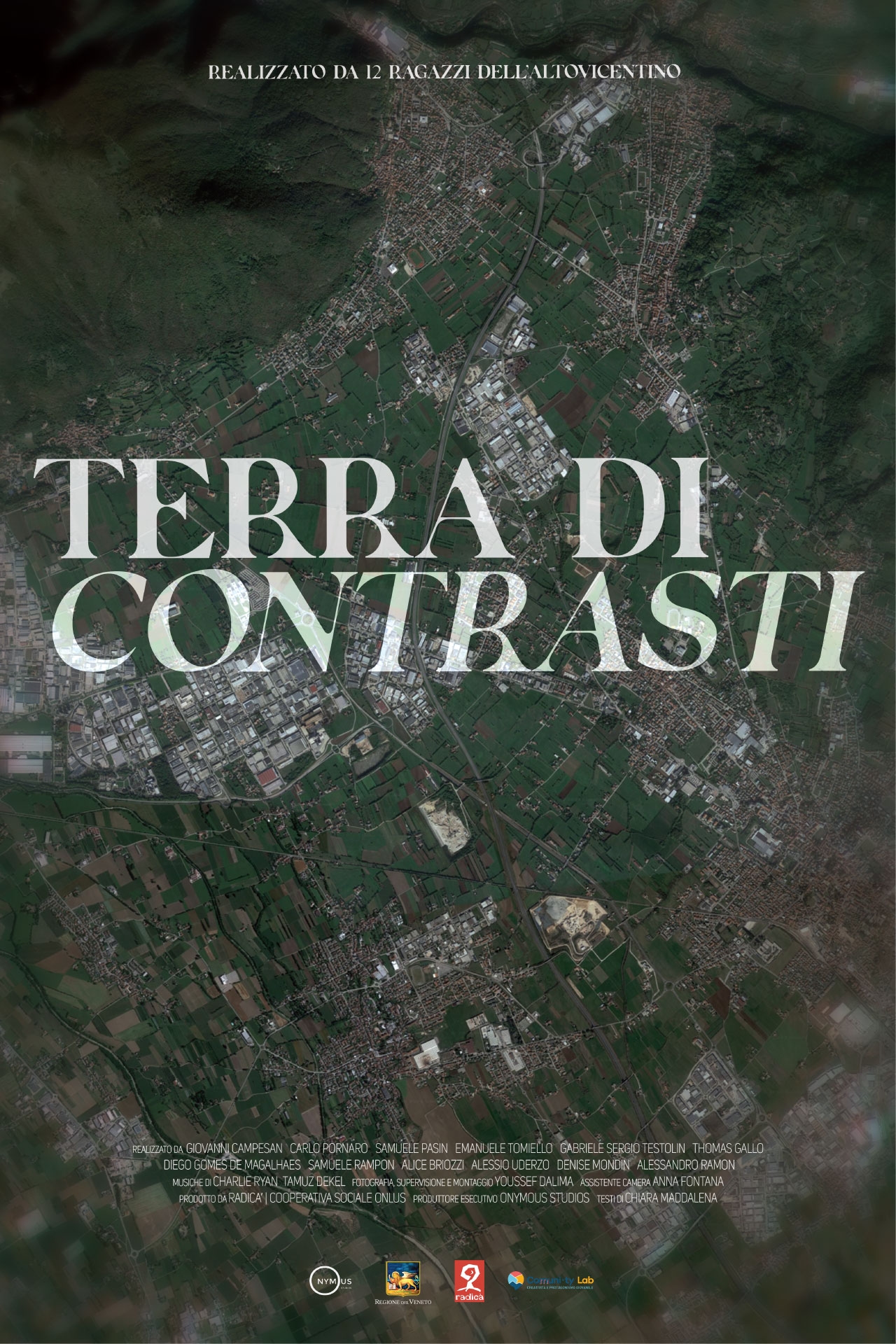
Look at the poster. The first line, above everything else, before a single credit: made by twelve young people from the Alto Vicentino. Then the twelve names.
Ours turns up further down, next to the words executive producer. Youssef DaLima's turns up next to filmmaking, supervision and editing.
The brief was a syllabus
Radicà Onlus is a social cooperative based in Calvene that has been doing reception and educational work with young people across the Alto Vicentino since the early eighties. They secured funding under the regional youth policy plan, Giovani e Generattività Altovicentino, for a project called Comuni-ty Lab, and somewhere inside that project there was supposed to be a documentary.
Except the documentary was never the point. Twelve people learning to make one was the point.
So what we quoted for was a workshop: two days on storytelling and building a structure, six days in which the shooting and the training were the same activity, two days on selecting and cutting, and then the unglamorous tail where somebody has to grade it, mix it and master it so the thing can actually be screened.
That last part we did ourselves. Nobody learns anything from watching a colourist work at two in the morning.
The difficult bit is not the camera
Handing a teenager a camera is easy and everybody does it. What follows is the part nobody talks about.
The temptation, roughly four minutes into any workshop like this, is to take the camera back. Someone frames badly. Someone else wants a shot you know will not cut. A third person has an idea that will cost the group an entire afternoon and produce nothing usable. You have done this for years. You could fix all of it in ninety seconds.
Fix it and you have made a nice-looking film and taught nobody anything. The name on the poster becomes a polite fiction and everyone involved can feel it, starting with the twelve people who were supposedly making it.
So the discipline was: fix the things that would sink the film, leave the things that would only make it more ours. There is a version of this documentary with better framing and worse everything else, and it is the version we did not make.
What they made
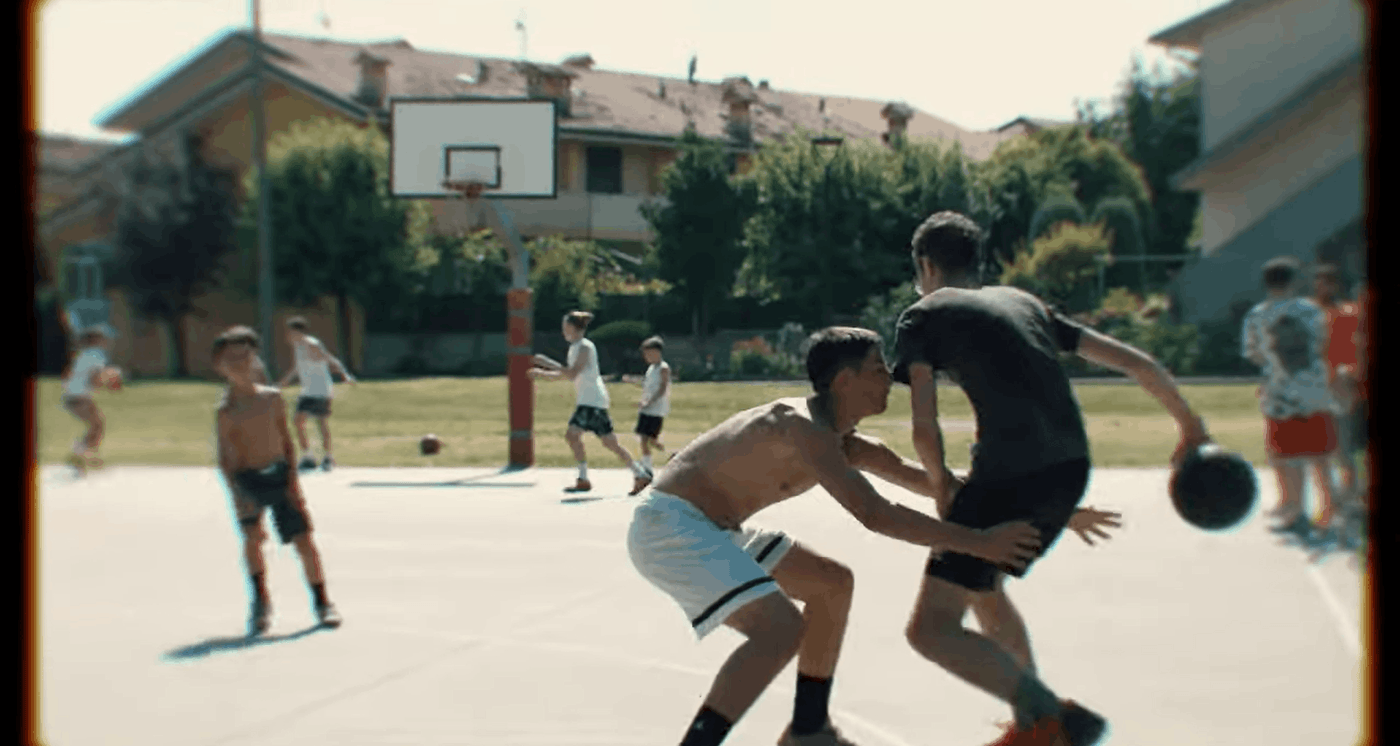
They were asked to look at where they live, which is a stranger request than it sounds, because nobody had really asked them before.
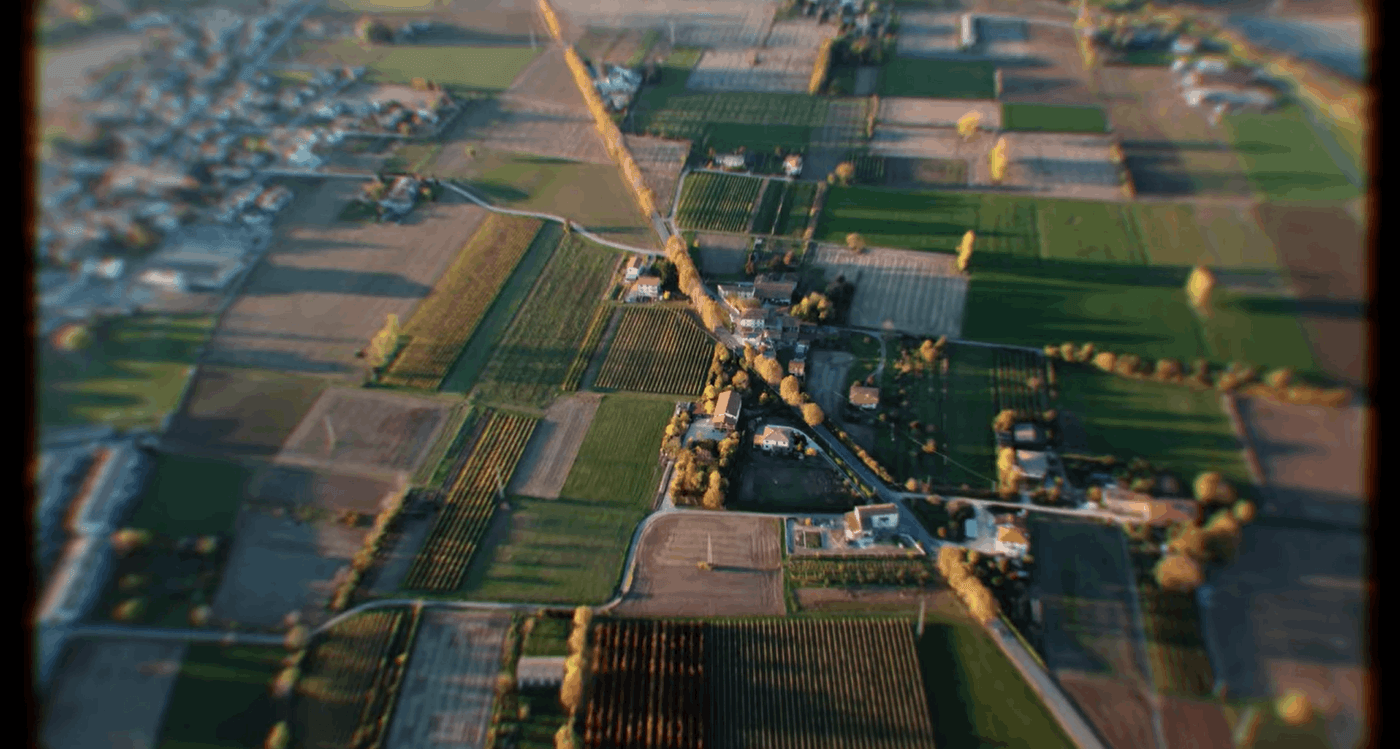
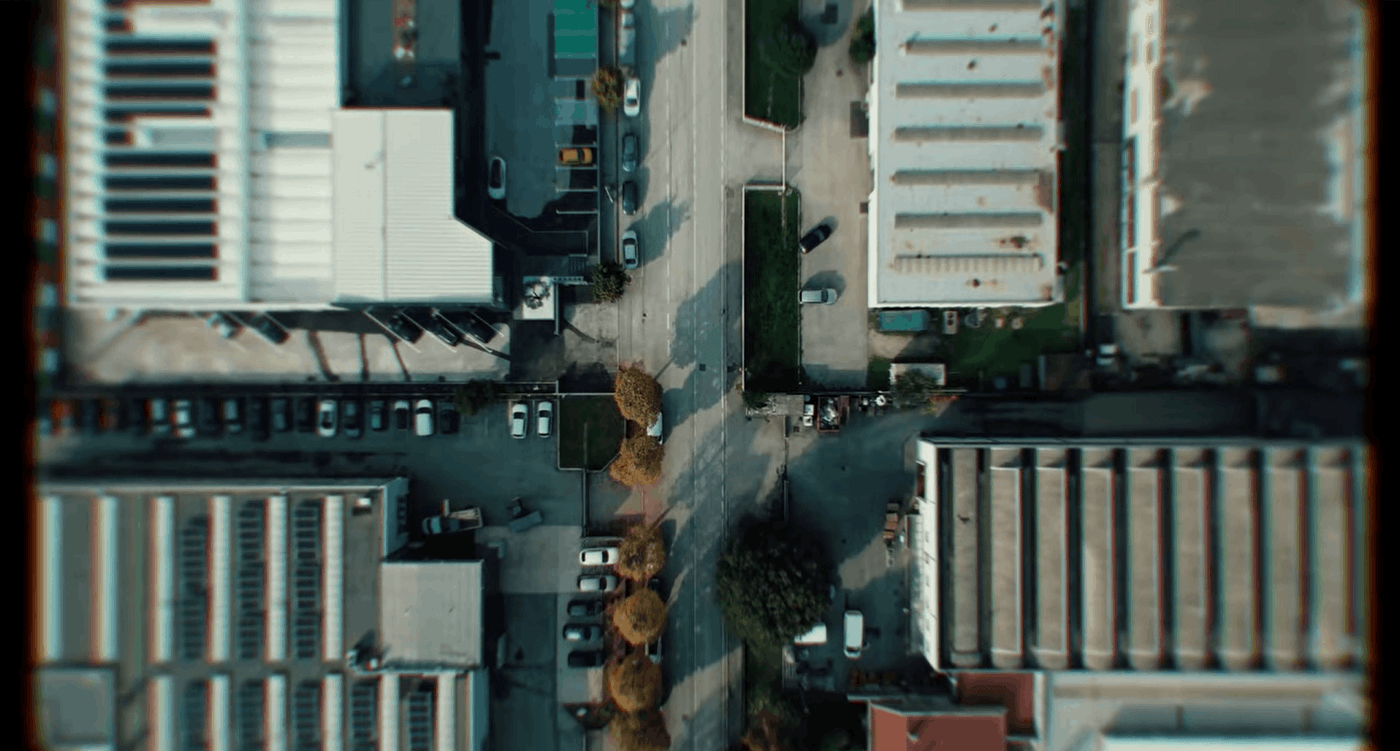
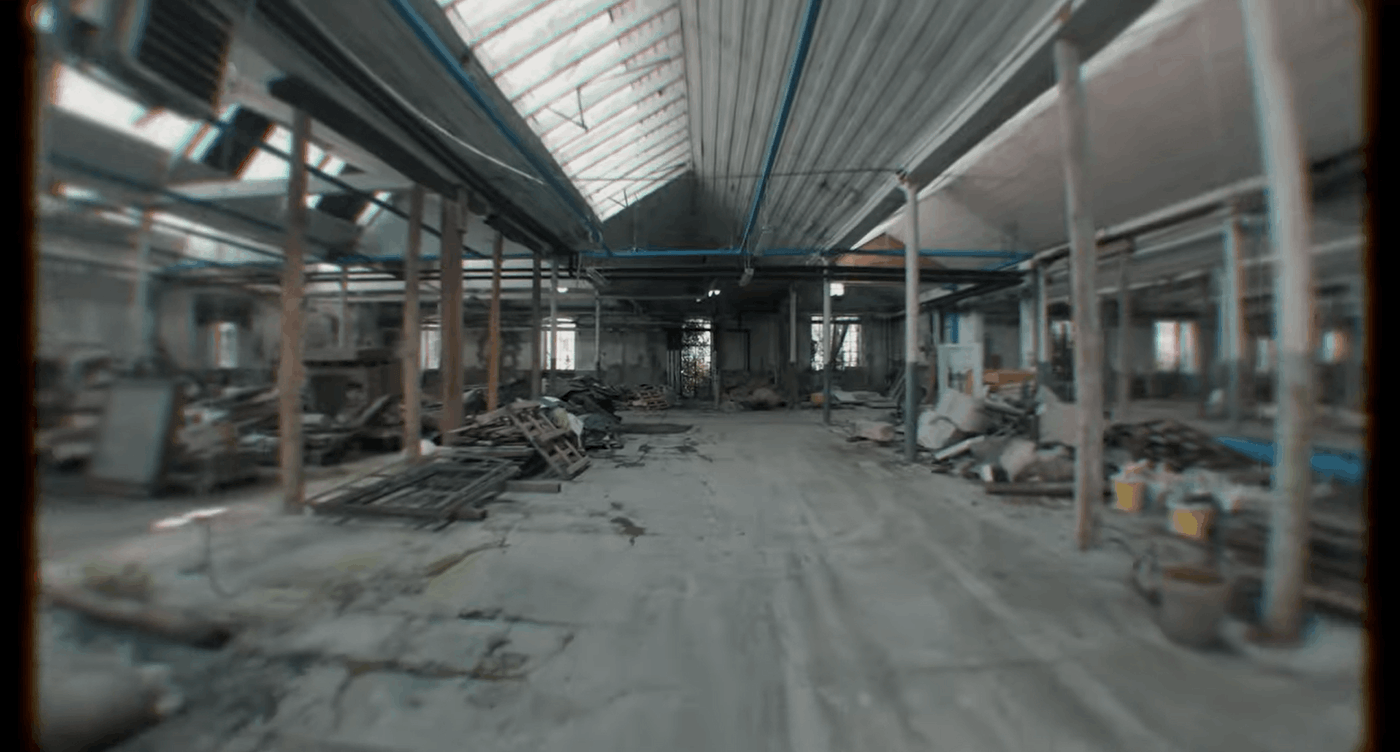
The Alto Vicentino is a valley pinned between mountains, and it contains two things at once that do not sit comfortably together. There are abandoned hamlets and empty factories with nature climbing back into them. There are also industrial zones, concrete, and the particular grey that swallows colour.
Schio's whole identity is industrial history. Twenty minutes away, old hands are still working fields by the same methods as sixty years ago.
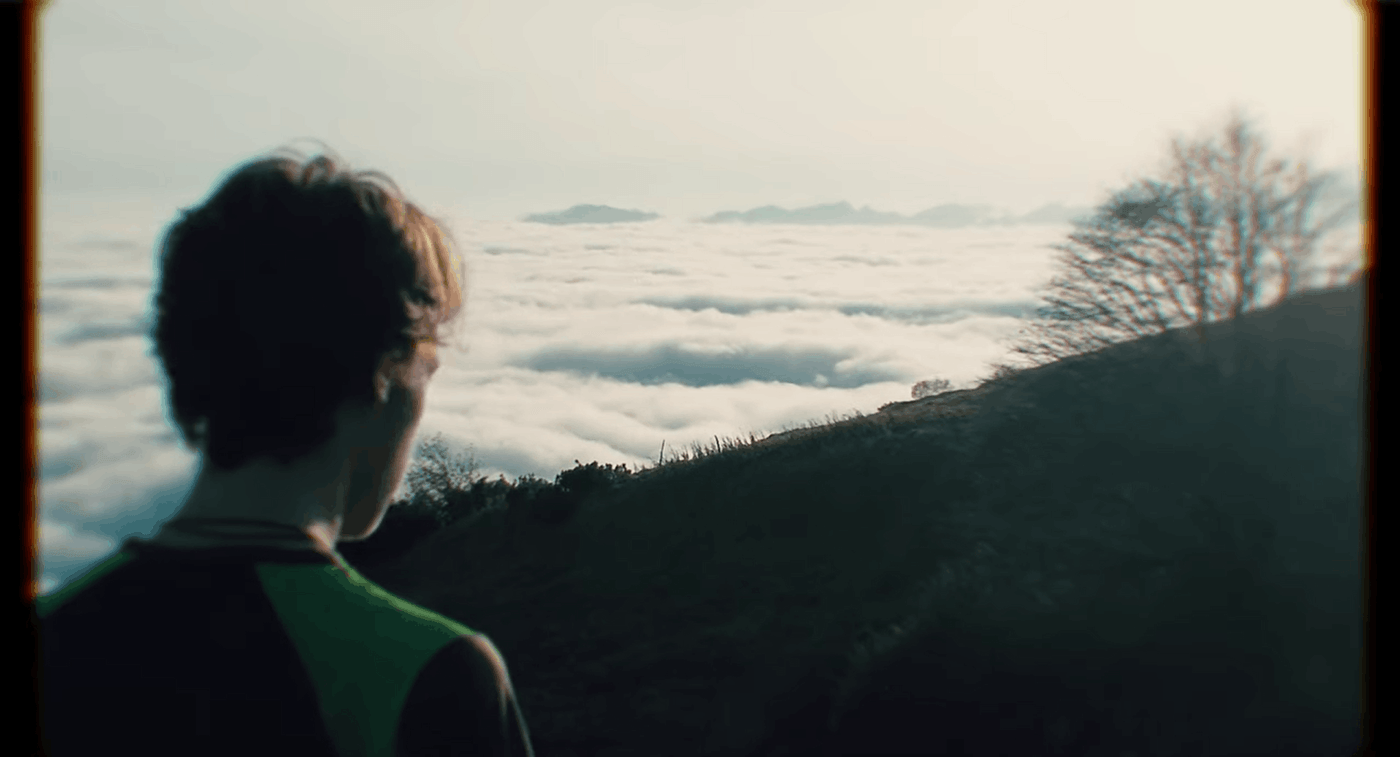
The film they wrote holds both without resolving either. It moves from silence into noise and back out, from the cement into the market stalls, from the abandoned buildings to the people still working the land, and it ends on a mountain idea: the best view arrives after the hardest climb, and if you lift your eyes above the cloud you can see further than you thought.
It is a young person's ending, and it should be. They are the ones who have to live there next.
We shot it in July 2024. The lessons ran in Malo, the exteriors in Sarcedo, Velo d'Astico and Asiago.
Why we keep doing this
Educational work pays roughly a tenth of what a commercial pays and takes about the same amount of time. We keep taking it, and not out of virtue.
You learn things in a workshop that a client brief never teaches you. When somebody who has never held a camera asks why a shot has to be that way, you either have a real answer or you discover you have been doing something out of habit for six years. Twelve people asking that question for eight days is the cheapest audit of your own craft available anywhere.
Radicà came back. We are currently in production on a second documentary with them.
FAQ
What is Terra di Contrasti?
A short documentary about the Alto Vicentino, made in 2024 by twelve young people from the area within the Comuni-ty Lab project, produced by Radicà Cooperativa Sociale Onlus with the support of Regione Veneto, and executive produced by Onymous Studios.
What did Onymous Studios actually do?
Designed and taught the workshop, handled cinematography and on-set supervision, supervised the edit, and completed the film with colour grading, sound mix and mastering. The film was directed and shot by the participants.
Who made it?
Giovanni Campesan, Carlo Pornaro, Samuele Pasin, Emanuele Tomiello, Gabriele Sergio Testolin, Thomas Gallo, Diego Gomes de Magalhaes, Samuele Rampon, Alice Briozzi, Alessio Uderzo, Denise Mondin, Alessandro Ramon. Texts by Chiara Maddalena. Music by Charlie Ryan and Tamuz Dekel. Cinematography, supervision and editing by Youssef DaLima. Camera assistant Anna Fontana.
Does Onymous Studios run workshops for schools and organisations?
Yes. Photography, videomaking, storytelling and post-production, for public bodies, cooperatives, schools and companies across the Veneto. Contact studios@onymous.it.
Somebody taught you. Pass it on, or pay us to.
Contact us.